

Little by little we are entering the “new normal”, and we can do more outdoor activity each day. This year is different from any other, and due to lockdown that kept many of us indoors without sun exposure, there are many cases of sunburn-related emergency visits, because our bodies are not prepared. As every year, as summer approaches, we need to bear in mind certain aspects so that our skin is well protected.
When choosing sunscreen, we have countless products to choose from, but are they all equivalent? Do they work the same way? Can they affect our health?
I will try to explain in very clear terms the different types of sunscreen you can find on the market, and what their advantages and drawbacks are.
First of all, it is well known that the organ that directly receives solar radiation is our skin. We also know there are many skin types, and some are more likely to suffer because of their sensitivity, such as babies' skin, atopic skin or skin with little pigmentation.
But the reality is that, to varying degrees, all skin is affected by solar radiation.
The sun is the source of all energy and provides numerous benefits for our health, but when our body is exposed to solar radiation for too long, harmful effects begin to appear.
The sun contributes to vitamin D production, which is essential for our body. Vitamin D is a micronutrient that the body does not produce on its own and therefore we must obtain it externally from certain foods or sun exposure. However, this exposure should not exceed 15 minutes three days a week.
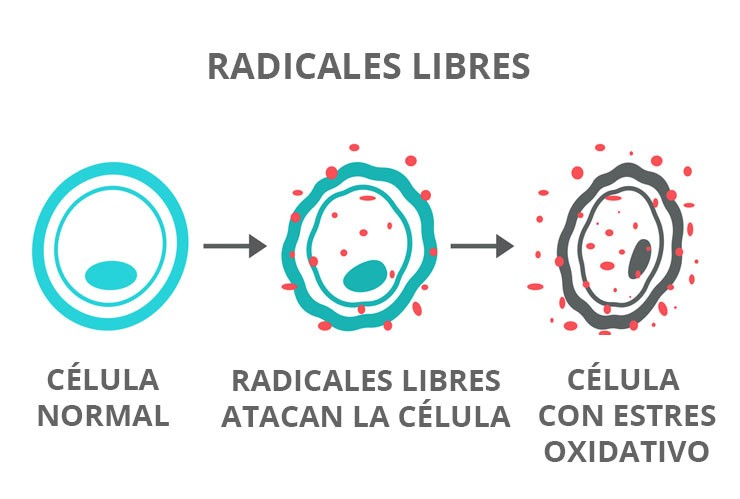
Beyond this exposure time, the sun begins to cause oxidative stress in our body, meaning that at cellular level excessive free radicals are generated, which are so harmful to our health.
Solar energy reaches Earth in the form of radiation.
To help us understand, radiation consists of electromagnetic waves that can be of many types. For example, radio and television signals, microwaves and medical tests such as X-rays are electromagnetic waves.
In the case of the sun, the waves it radiates are of 3 types: infrared, visible and ultraviolet (UV). Infrared waves produce heat. Visible waves provide light and allow us to see all colours, and ultraviolet waves are harmful to our health.
We will therefore focus on ultraviolet (UV) radiation, which reaches Earth's surface from the Sun and is divided into 3 subtypes:
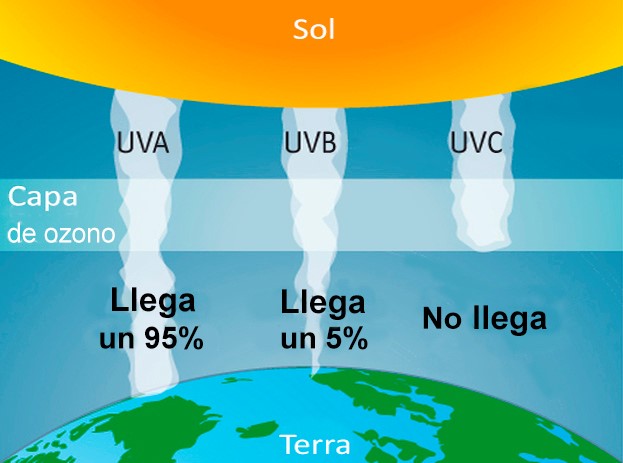
- UVA. This is the radiation that arrives most (95%)
- UVB. Only a small part arrives (5%)
- UVC. Does not reach the surface (0%)
Each type of UV radiation is more or less absorbed by the ozone layer.
As can be seen, UVC radiation does not reach the Earth's surface, so we will focus on the other two.
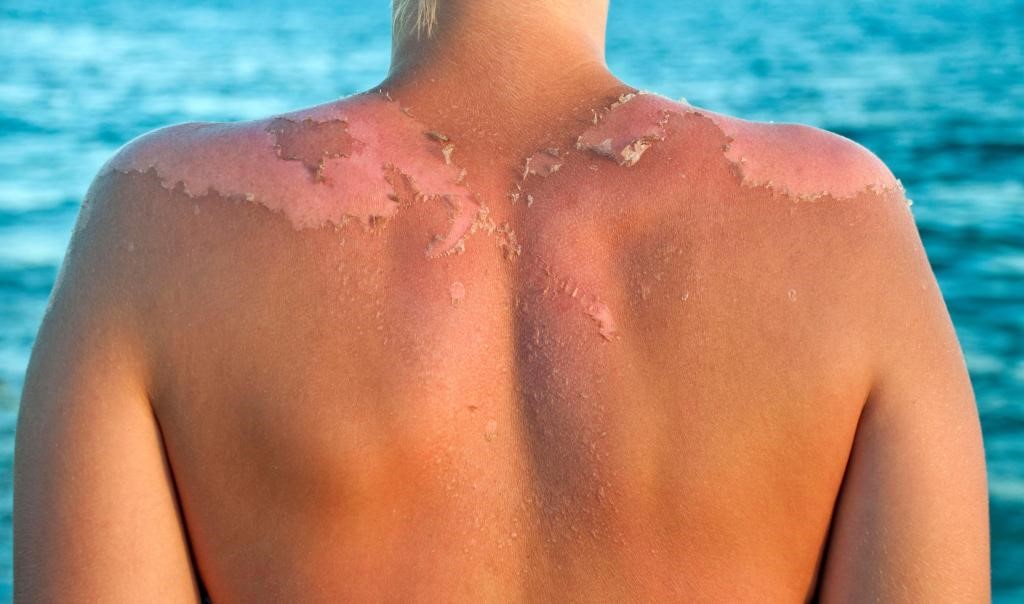
UVB radiation causes burns, spots and, in the worst case, melanoma or skin cancer. It is the one where we see the most immediate effects, such as tanning quickly, but also burns after a day at the beach.
UVA radiation causes collagen degradation and premature ageing. Skin loses brightness, elasticity and softness. It acts less noticeably in the short term, and for that very reason it can do us the most harm.
It is important to stress that UVA radiation passes through clouds and glass and is reflected off the ground.
It is true that sunlight has positive effects. Moderate sun exposure contributes to:
- An uplift in mood.
- Prevention of seasonal affective disorder (SAD). Hours of sunlight influence serotonin synthesis, also known as the “happiness hormone”.
- Vitamin D. Helps the body absorb calcium, one of the main elements that make up bones.
But the negative effects are numerous and are what we need to avoid with good sunscreen:
- Sun erythema (burn).
- Sun allergies.
- Drug-induced photosensitivity.
- Premature ageing.
- Eye damage.
- Weakening of the immune system
- Skin cancer

In the next post I will explain the differences between chemical and physical sun filters, what nanoparticles are and how they affect our body. Finally, we will look at what the ideal sunscreen is.
I hope you are finding this interesting and we will see you soon in the next article.