
Summer is approaching and, like every year, many of us would love to lose some weight. But we also know that this requires effort and consistency.
If we make the decision to do it, I think it is very important to understand how our body works.
Nowadays there are professionals such as nutritionists and endocrinologists, and thousands of weight-loss products. Yet obesity continues to rise, so something must not be working well.
The main trends in the field of weight loss can be summarised in 2:
- CICO theory (calories in – calories out). This is what we've been told for decades, and it seems like common sense: you gain weight because you eat more than you burn. Eat less, move more…
- Hormonal theory. We don't gain weight from eating too much or too little, but from eating poorly. One of the key hormones here is insulin: the more insulin our pancreas releases, the greater our body's ability to store fat.
The CICO theory is slowly being dismantled. If eating less made us lose weight, there would be almost no obese people — yet there are more and more of them.
Many people believe — and it seems like common sense — that if they move more and eat less, they will lose weight. But this is not about calories.
If instead of running 5 km I run 7 km and also eat less, that is an excellent way to get sick quickly. Our body operates through homeostasis (balance). If I eat more, my body burns more. If I eat less, my body burns less. So if I decide to eat less, all I am doing is slowing down my metabolism further. This leads to conditions such as metabolic damage, hypothyroidism or hyperthyroidism.
The body does not want to eat little. If we eat little, certain processes are activated that lead to stress, a craving to eat… and ultimately to hormonal changes that are not beneficial at all.
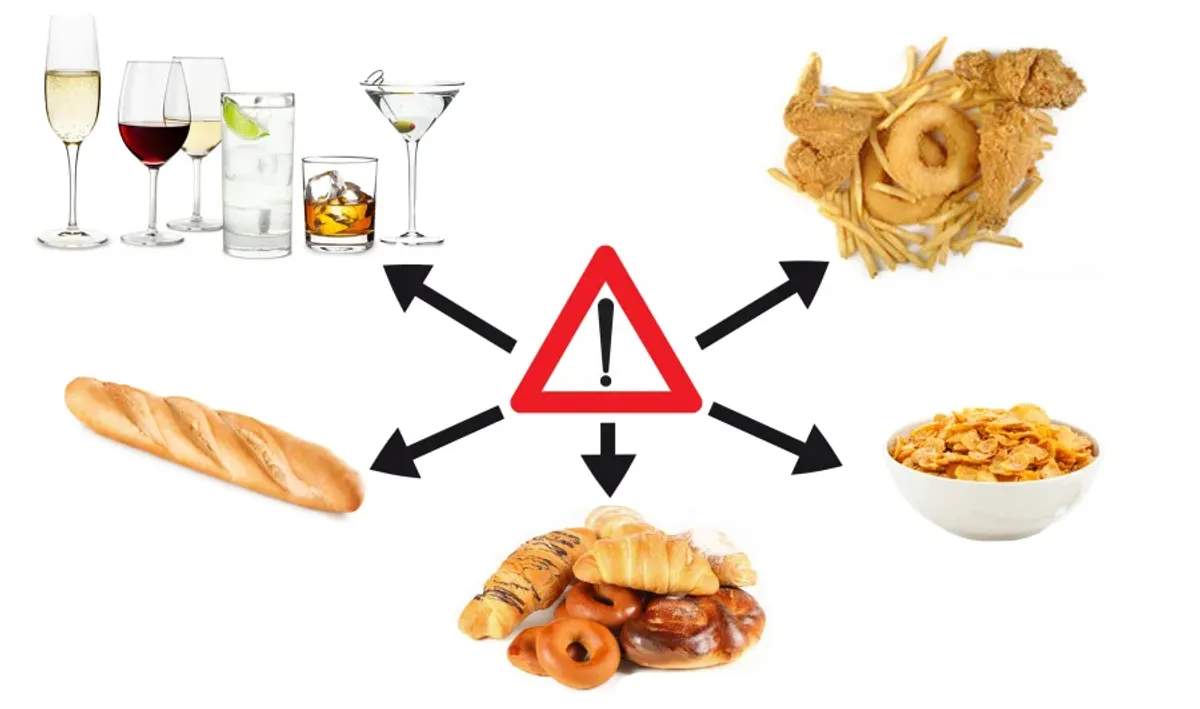
And this is where the other great hormonal theory comes in. Many of the diets that have become popular in recent times are based on keeping insulin under control. If we control it, we won't gain weight (even without exercising). So what spikes our insulin? In order:
- Pastries, alcohol, fried foods.
- Flours: pasta, bread, cereals.
- Starches such as potato or rice
Flours spike our blood sugar and with it, insulin. But this spike is followed by a sharp drop within minutes, which makes us feel hungry and want to eat again. That is why some people need to eat 5, 6 or even 7 times a day. Why does the body constantly ask for food when we have plenty of fat reserves to burn? It doesn't make much sense, does it?
If we gradually cut out flours and sugars and, above all, increase our intake of good fats (avocados, olive oil, coconut, coconut oil, butter, nuts, quality animal products), we will see how our body starts burning the fat we have stored, while also feeling more satisfied and needing to eat fewer times a day.