
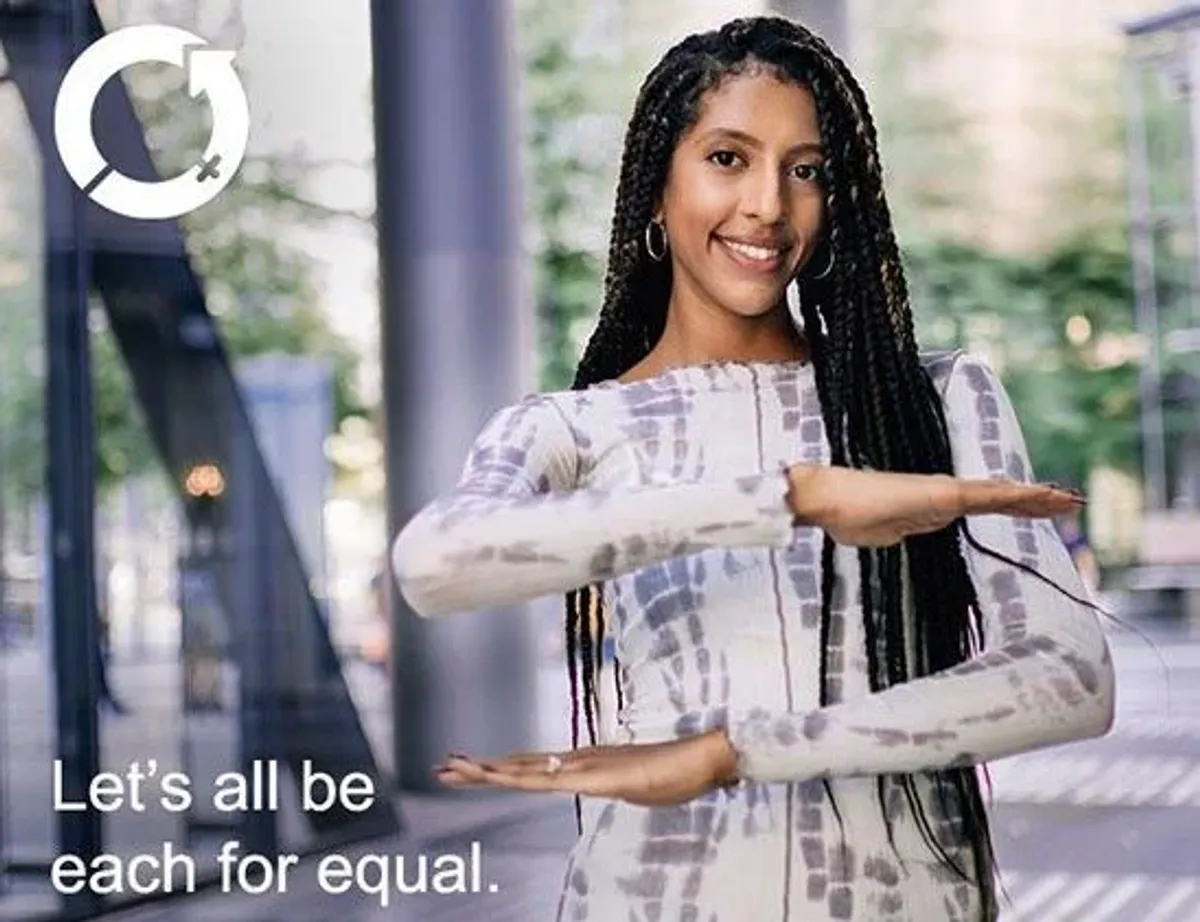
For more than 100 years, March 8th has marked what is known as International Women's Day in countries around the world. Its purpose is not exactly the same and differs from place to place. In some countries it is a day of protest, in others it is a way to celebrate women's achievements and promote gender equality. Before this year's celebration, let's take a moment to explore the origins and traditions of the day.
International Women's Day originated more than 100 years ago.
On February 28, 1909, the Socialist Party of America, now dissolved, organized the first National Women's Day, which took place on the last Sunday of February. In 1910, Clara Zetkin, the leader of the 'Women's Bureau' of Germany for the Social Democratic Party, proposed the idea of an International Women's Day so that people all over the world could celebrate it at the same time. On March 19, 1911, the first International Women's Day was celebrated, with more than 1 million participants in Germany, Switzerland, Austria and Denmark.
In 1917, women in Russia honored the day by starting a strike for "bread and peace" as a way to protest against World War I and advocate for gender parity. Tsar Nicholas II, the country's leader at the time, ordered an end to the protests and directed that any woman who refused to withdraw be shot. But the women were not intimidated and continued their protests, which led the tsar to abdicate a few days later. The provisional government then granted women in Russia the right to vote.
In 1975, designated the International Year of Women, the United Nations celebrated International Women's Day on March 8th for the first time. Since then, the United Nations (UN) has become the main sponsor of the annual event and has encouraged more countries around the world to embrace the holiday and its goal of celebrating acts of courage and determination by ordinary women who have played an extraordinary role in the history of their countries and communities.
International Women's Day is a day of celebration around the world and an official holiday in dozens of countries. Afghanistan, Cuba, Vietnam, Uganda, Mongolia, Georgia, Laos, Cambodia, Armenia, Belarus, Montenegro, Russia and Ukraine are just a few of the places where March 8th is recognized as an official holiday.
In 1996, the UN created a theme for that year's International Women's Day: "Celebrating the Past, Planning for the Future". In 1997 the theme was "Women at the Peace Table", and in 1998 "Women and Human Rights". This tradition has continued year after year until 2020, when the theme is "An equal world is an enabled world" or #EachforEqual.
International Women's Day is a time to reflect on progress made, to call for change and to celebrate acts of courage and determination by ordinary women who have played an extraordinary role in the history of their countries and communities.
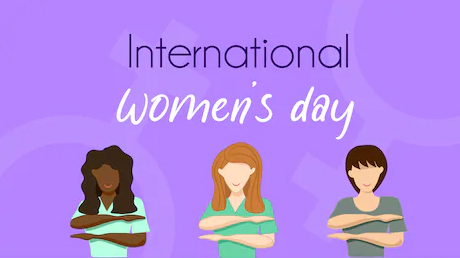
The world has achieved unprecedented progress, but no country has achieved gender equality.
Some examples that show the great importance of this day are that, in recent decades, legal restrictions have prevented 2.7 billion women from accessing the same jobs as men, and there has been no equal pay. Less than 25 percent of parliamentarians are women, as of 2019. Today, still one in three women experiences gender-based violence.

Let's make 2020 count for women and girls everywhere!