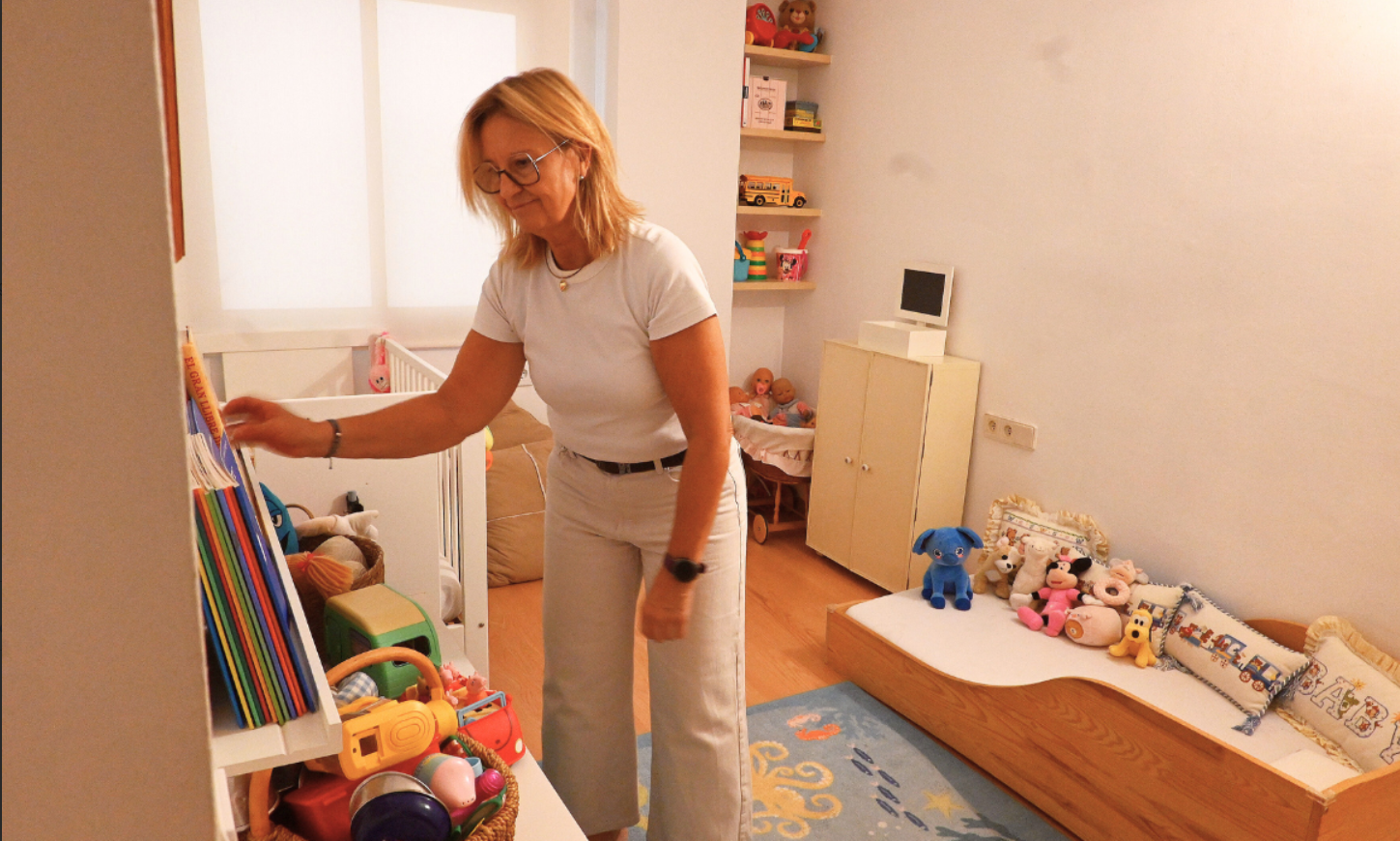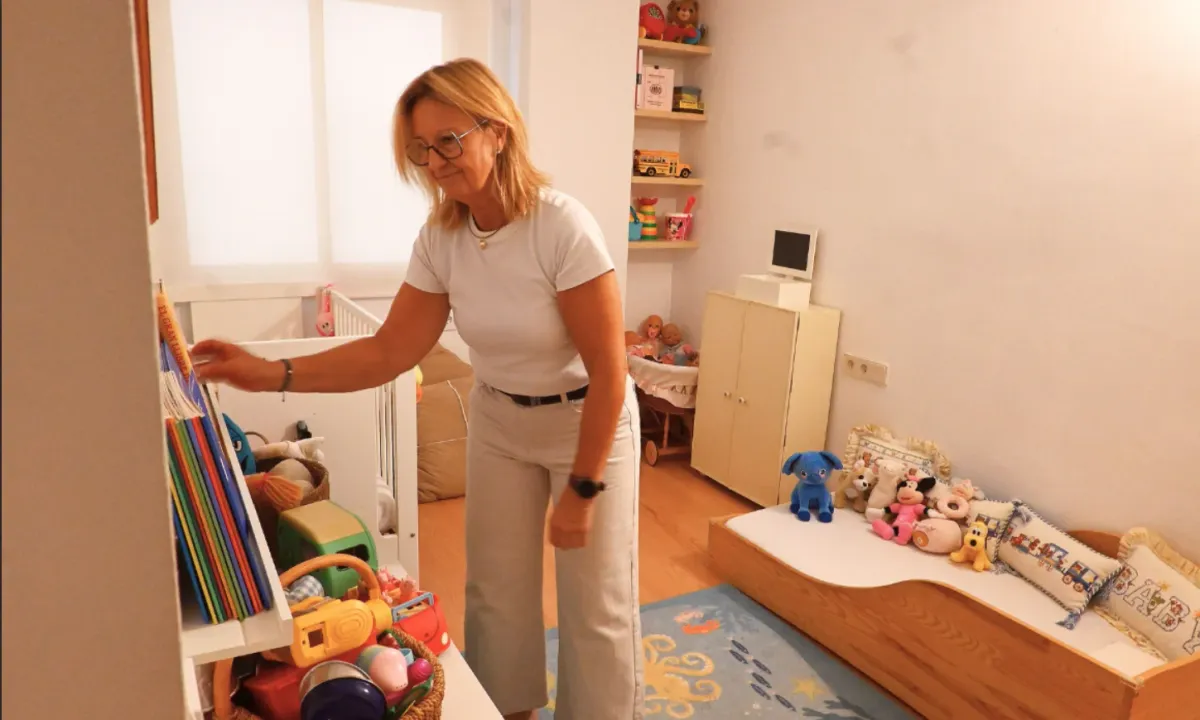
Why does clutter affect children so much, and how can you guide them to let go?
Clutter is not just an aesthetic issue. For children, having too many objects around them can generate emotional overload, distraction and anxiety. Their rooms, full of toys and memories, can become chaotic spaces that do not invite rest or concentration.
It is completely normal for them to find it hard to say goodbye to their toys: each object has a special meaning, whether because they received it at an important moment, because it was part of a game they enjoyed or simply because it gives them security. Detachment is a learning process that happens over time, and our task as adults is to accompany them with patience and respect.
The goal is not to force, but to teach them that letting go can be positive: it frees space, opens the way to new experiences and, above all, gives them the opportunity to share with other children. In the end, the most valuable memories are not in objects, but in the emotions and moments lived.
How clutter impacts children's wellbeing
- Sensory overload: Too many stimuli in a saturated room can overexcite their mind and make calm difficult.
- Anxiety and stress: External chaos often reflects and feeds internal chaos.
- Difficulty concentrating: The more objects in sight, the greater the distraction in tasks.
- Blocked creativity: Excess limits imagination. With less, children tend to invent more.
- Unbalanced emotional detachment: They learn to accumulate instead of valuing what is essential.
- Disrupted rest: An overloaded room does not invite relaxation or restorative sleep.
- Lack of responsibility: If they are not taught to manage their belongings, they grow up without organisation habits.
Practical strategies to support children's detachment
- Involve them in the process
Explain that donating or giving away what they no longer use can make other children happy. Understanding the positive impact usually motivates them more than the idea of «losing». - Make it fun with selection games
Suggest they choose their 10 favourites and then decide what to do with the rest. This way, they feel in control. - The “toy hotel”
Create a box where toys «rest». After 3 or 6 months, if they are not missed, they are donated. If they ask for them, they can come back. - Goals and rewards
They do not have to be material. It can be a special outing, a movie afternoon at home or an experience you enjoy together. - The power of limited space
Give them a specific space: a shelf, a box or a trunk. When it is full, you have to decide what stays and what goes. - Stories and tales
Stories are a great tool. Through characters who donate or share, children better understand the value of detachment. - Toy rotation
Store some and bring them out later. This way they feel the excitement of something “new” without needing to accumulate more. - Encourage gratitude
Before letting go, invite them to thank the time and fun that object gave them. This ritual softens the process and turns it into something positive.
Real testimony: the power of order in a girl's life
Recently I accompanied a 12-year-old girl in the process of organising her room. Her mother told me she was receiving therapy for anxiety. When I entered the room, I understood why: it was completely saturated with toys and objects, with no space even to study.
Each object had a story for her that she told me with emotion. We moved slowly, and her mother grew impatient. I asked for calm: “It's her time, she needs to process it”. Little by little, with empathy and explanations about the value of donating and sharing, the girl began to let go.
Months later, her mother confessed to me that she no longer needed to see the psychologist. Simply organising and freeing space noticeably reduced her anxiety. Now she enjoys a freer room, where she can concentrate, study and rest peacefully.
More than tidying, a life lesson
Children's detachment is not just about having prettier, more organised rooms. It is a gift for life:
- It teaches children to manage their emotions.
- It helps them value what is essential instead of accumulating.
- It shows them the importance of sharing with others.
With patience, care and appropriate strategies, organising toys becomes an opportunity to sow habits of wellbeing and mental clarity that will accompany them throughout life.
👉 Inspiring conclusion:
Helping a child let go of their toys is helping them grow. It shows them that letting go is not losing, but opening space for joy, creativity and new experiences.